Timing And Housing Stock On The Fringe
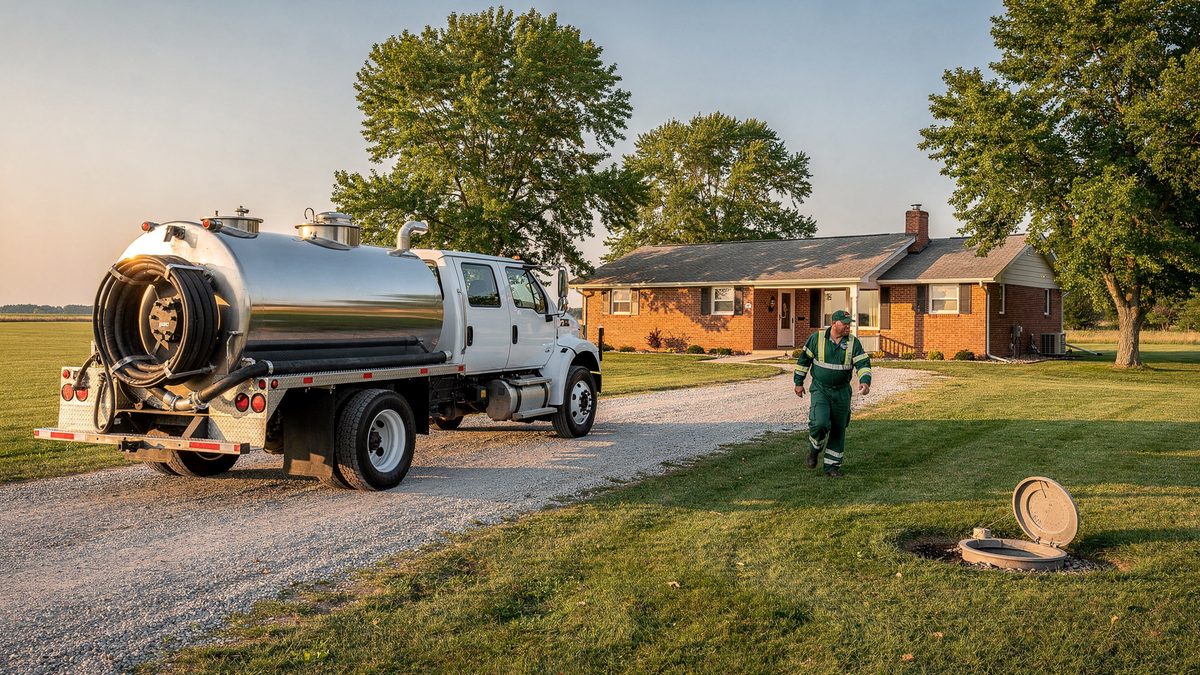
Much of Indianapolis still mixes Citizens Energy sewer with older septic pockets. STEP projects have connected thousands of properties since 2011, but unsewered lots remain, especially where density, floodplain proximity, and private water supplies did not push a project forward yet. Mid-century ranch homes and township parcels often carry original tanks with buried lids and unknown field maps.
If you are buying in a STEP corridor, ask whether enrollment or a connection order is already on the property. A missing sewer bill is the simple clue you are still on septic; county records are the authoritative one. Share whether a riser is at grade when you call so winter ice is not a surprise on Decatur or Pike Township lots.
Soil And Hydrology Under Marion Lots
Marion County permit checklists require a certified soil scientist to report loading rate, glacial till depth, and drainage before a new absorption field is approved. Dense till is a recognized limiting layer under 410 IAC 6-8.3. Wet springs saturate perched water tables; frozen winters delay lid access on buried tanks.
Fields designed for clay need disciplined water use: space laundry, fix leaks, and keep storm water off the laterals. Ponding over laterals after laundry on unsewered township parcels is a system warning, not a landscaping preference you mow around until fall.
Marion County Permitting Versus The Suburbs
Marion County Public Health is the local gatekeeper under Chapter 14 and 410 IAC 6-8.3. Residential properties must connect when sewer is within 100 feet of any property line, then abandon the septic and report it. That sewer-hook rule is stricter and more urban than many suburban counties that still expect decades of onsite use.
Repair and new work need permits; STEP enforcement after sewer arrival is a Marion-specific pressure Carmel or Avon do not share at the same scale. Installers for permitted work are expected to meet IOWPA certification standards stated by the county program.
Need Septic Service in Indianapolis?
Scope is confirmed on the call across Marion County, and your price follows the inspection.
Call (317) 933-8912Septic Tank Pumping in Indianapolis
Routine pumping for Indianapolis fringe and township septic lots, quoted before dispatch with manhole access confirmed on the call.
Septic Tank Cleaning in Indianapolis
Cleaning for older Indy tanks with heavy mats or long intervals, not a substitute for field repair.
Septic Tank Repair in Indianapolis
Baffle, lid, riser, and filter repair under Marion permitting rules when the work alters the system.
Emergency Septic Service in Indianapolis
Backup and surfacing-effluent triage inside Marion County, with Chapter 14 surface-discharge issues flagged.
Septic Inspection in Indianapolis
Operational inspections for buyers and owners in Indy septic pockets, with written findings on tank and field.
Local Facts
- Marion County requires connection to sanitary sewer when it is available within 100 feet of any property line of a residential septic lot, then abandonment of the septic system. Marion County Chapter 14
- Citizens Energy Group’s Septic Tank Elimination Program (STEP) has connected thousands of Marion County properties since 2011. Citizens Energy Group STEP
- Marion County Public Health publishes the Onsite Sewage (Septic) Systems Program for permits and installer expectations. MCPHD Onsite Sewage Program
- Dense glacial till is treated as a limiting layer in Indiana’s residential onsite rule 410 IAC 6-8.3. 410 IAC 6-8.3
ZIPs: 46201, 46208, 46220, 46227, 46240, 46250 · Marion County, IN
FAQ
- Do you cover all Indianapolis ZIP codes?
- We focus on parcels still on septic. Sewered addresses need a different trade.
- Is a sale inspection required in Marion County?
- Not as a verified statewide or Marion closing mandate; lenders and contracts still often require one.
- What does service cost here?
- Quoted after tank access and scope are confirmed. This site publishes no prices at all.